
What Do You Have to Disclose When Selling a Home on Florida's Forgotten Coast?
Florida sellers must disclose known facts that materially affect a home's value and aren't obvious to a buyer, a rule from the 1985 case Johnson v. Davis. As of October 2024, you also have to complete a separate written Flood Disclosure before the contract is signed, and as of October 2025 that requirement expanded to cover any flooding you know about, even without an insurance claim. Selling as-is doesn't change any of this. The good news is that this process is straightforward once you know the two pieces, and getting it right upfront protects both you and the buyer.
By Billy Joe Smiley | August 25, 2026
I sit down with almost every seller on this coast for a version of this same conversation: what exactly do I have to tell a buyer? It's a fair question, and it's one worth getting right, because Florida takes seller disclosure seriously, and the rules just changed again last year. The good news is that once you understand the two pieces that make up your disclosure duty, this becomes one of the easiest parts of listing your home, not the hardest.
Whether you're selling on Cape San Blas, in Port St. Joe, or on St. George Island, the same statewide rules apply to you, and I want you to walk into your listing appointment already knowing what's coming.
The Original Rule: Disclose What You Know That a Buyer Can't See
Florida's core disclosure duty goes back to a 1985 Florida Supreme Court case called Johnson v. Davis. Before that ruling, Florida followed the old "buyer beware" approach. That case changed things, and sellers have had an affirmative duty to disclose ever since.
The rule breaks down into three simple parts. You have to disclose a fact if all three are true: it materially affects the property's value, you know about it, and the buyer doesn't know about it and wouldn't reasonably catch it during a normal showing or inspection. Roof leaks, mold, plumbing issues, unpermitted additions, and foundation cracks are the examples that come up most often. If you know about it and a buyer walking through the house wouldn't spot it, it belongs on your disclosure.
This is exactly what the Florida Realtors Seller's Property Disclosure form is built to walk you through, and I go over it line by line with every seller I represent. It's not a form designed to trap you. It's designed to protect you, because a thorough disclosure up front is your best defense if a question ever comes up after closing.
The New Piece: Florida's Flood Disclosure Law
Here's the part that's genuinely new, and the reason I wanted to put this together now. Starting October 1, 2024, Florida added a separate, standalone requirement under Florida Statute 689.302: sellers of residential property must give buyers a written Flood Disclosure at or before the sales contract is signed, separate from the general property disclosure form.
Then the law expanded again, effective October 1, 2025. Here's how the two versions compare:
| Effective Date | What Sellers Must Disclose |
|---|---|
| October 1, 2024 (original law) | Whether you've filed a flood-related insurance claim on the property, and whether you've received federal assistance for flood damage to the property. |
| October 1, 2025 (expanded) | Everything above, plus any flooding you know damaged the property during your ownership, even if you never filed a claim, along with any assistance you received to repair that damage. |
On a coast where flood zones and CBRA designations already shape so much of the buying decision, as I've written about in How Close Can You Buy a Home to the Gulf Coast on Cape San Blas, this expanded disclosure gives buyers even more of the picture upfront. That's a good thing. Buyers here already know they're on a coastline with real storm history, and being straightforward about your property's flood record builds trust rather than raising alarm. It also protects you: sellers who complete this disclosure honestly and on time are in a strong position if a question ever comes up later, while sellers who skip it or fill it in loosely are the ones who end up exposed to a buyer's claim for damages or, in some cases, contract rescission.
Selling As-Is Doesn't Change Any of This
This is the misconception I run into the most, and I want to clear it up plainly: selling your home as-is does not remove your disclosure duty. The standard Florida FAR/BAR AS IS contract, which is the form used in the overwhelming majority of sales on this coast, changes whether the buyer can ask you to make repairs. It does not change whether you have to tell them what you know.
Think of it this way: as-is means you're not on the hook to fix the roof before closing. It never meant you get to stay quiet about the fact that the roof leaks. Those are two completely separate questions, and keeping them straight is one of the simplest ways to protect yourself through a smooth, low-drama closing.
How I Handle This With Every Seller
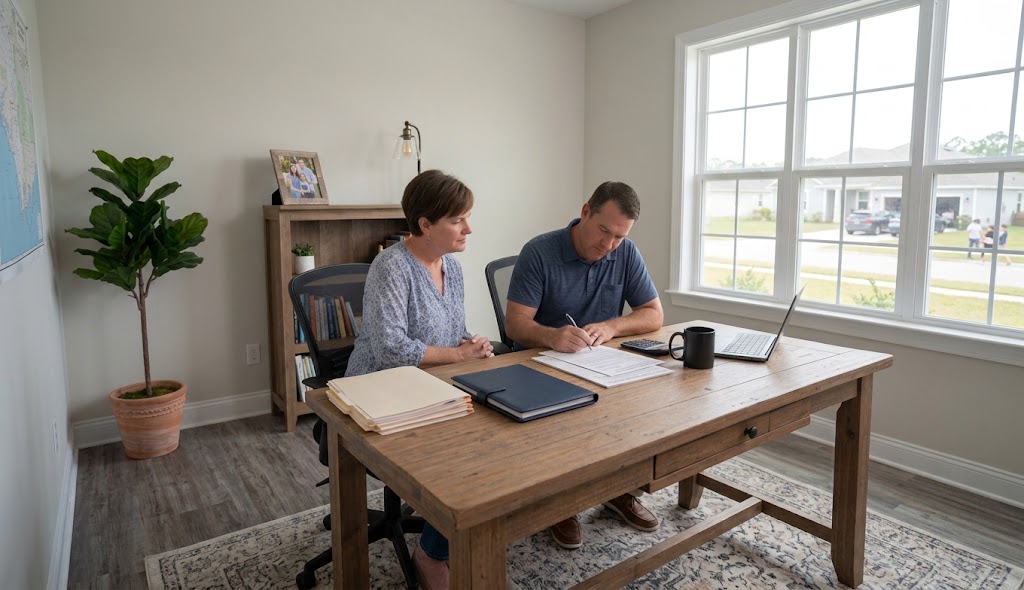
Here's the honest truth: this whole process is manageable, and most sellers get through it in a single sitting once we go through it together. Before we ever put a home on the market, I walk sellers through both forms side by side, the general Seller's Property Disclosure and the new Flood Disclosure, and we go fact by fact. If you're not sure whether something is worth including, that's exactly the conversation to have with me before you sign anything, not after a buyer asks a question you weren't prepared for.
- Pull any past insurance claims, repair invoices, or contractor records related to flooding, storm damage, or major systems before our first meeting.
- When in doubt about whether something is "material," disclose it. A short, honest note costs you nothing. An omission a buyer discovers later can cost you a lot more.
- Remember that as-is protects you from repair demands, not from telling the truth about what you know.
- Get both disclosures done early, ideally before we go live on the market, so there's zero scramble once an offer comes in.
If you're weighing when to list, this pairs well with the broader market picture I laid out in Is Now a Good Time to Buy on Florida's Forgotten Coast?, since buyers today are doing more careful due diligence than they were a couple of years ago, which makes a clean, complete disclosure even more of an asset for your sale. And once you're through closing, the ownership-cost side of the equation is covered in How Much Are Property Taxes on a Vacation Home on Florida's Forgotten Coast? for whichever property you move into next.
Disclosure isn't a hurdle standing between you and a sale. Done right, it's the thing that lets your sale close without surprises, for you and for the buyer. That's exactly the kind of straightforward process I want every seller on this coast walking into with confidence.
Frequently Asked Questions
What am I legally required to disclose when selling a house in Florida?
Florida law requires you to disclose known facts that materially affect the property's value and are not readily observable to the buyer, a rule established by the Florida Supreme Court in Johnson v. Davis. On top of that, as of October 2024, you must also complete a separate written Flood Disclosure before the buyer signs the contract, covering flood history, insurance claims, and any federal flood assistance you've received.
Does selling my home as-is mean I don't have to disclose anything?
No. An as-is contract, including Florida's standard FAR/BAR AS IS agreement, changes your obligation to make repairs, not your obligation to disclose known material defects. Sellers still have to disclose what they know, whether the sale is as-is or not.
What changed with Florida's flood disclosure law in 2025?
As of October 1, 2025, Florida expanded the flood disclosure requirement so sellers must disclose any flooding they know damaged the property during their ownership, even if no insurance claim was ever filed, along with any assistance they received to repair that damage. The original 2024 version only required disclosing claims and federal assistance.
What happens if I don't disclose something I should have?
A buyer who discovers an undisclosed material defect or flood history after closing can potentially pursue monetary damages or, in some cases, contract rescission. Getting the disclosure right upfront, with your agent's help, is a straightforward way to avoid that entirely and keep your closing on track.
Do I need to disclose past hurricane damage on my Forgotten Coast property?
Yes, if it's a known material fact affecting value that a buyer wouldn't readily observe, such as prior flood damage, repaired storm damage, or an insurance claim tied to a hurricane. On a coast with real storm history, being upfront about this is exactly the kind of thing that builds buyer trust and keeps a sale moving smoothly.
Getting your disclosures right is one of the most straightforward ways to protect your sale and your peace of mind, and it takes a lot less time than most sellers expect once we sit down and go through it together. If you're thinking about listing on Cape San Blas, Port St. Joe, Mexico Beach, or St. George Island and want to know exactly what applies to your property, give me a call or shoot me a text. I'll walk you through both disclosure forms before you ever sign a listing agreement.
Billy Joe Smiley is one of Florida's most accomplished real estate professionals, with over 27 years of experience and more than 1,000 properties sold. As a top 1% REALTOR® based at Port Realty Group, Billy Joe serves the Forgotten Coast with unmatched insight, professionalism, and care. He works with buyers and sellers across Port St. Joe, Cape San Blas, Mexico Beach, and St. George Island, specializing in luxury and waterfront homes, investment properties and 1031 exchanges, beachfront and bayfront land, vacation homes and income-producing real estate, and real estate development and architectural planning. A Gulf County native, Billy Joe pairs deep local knowledge with decades of experience in brokerage, land development, custom home building, and architectural consulting. Recognized as The Forgotten Coast's Most Trusted Realtor, Billy Joe has earned 90+ public reviews across Zillow, Google, and Realtor.com.
Enjoy this blog post? Click here to subscribe for updates
Leave A Comment