
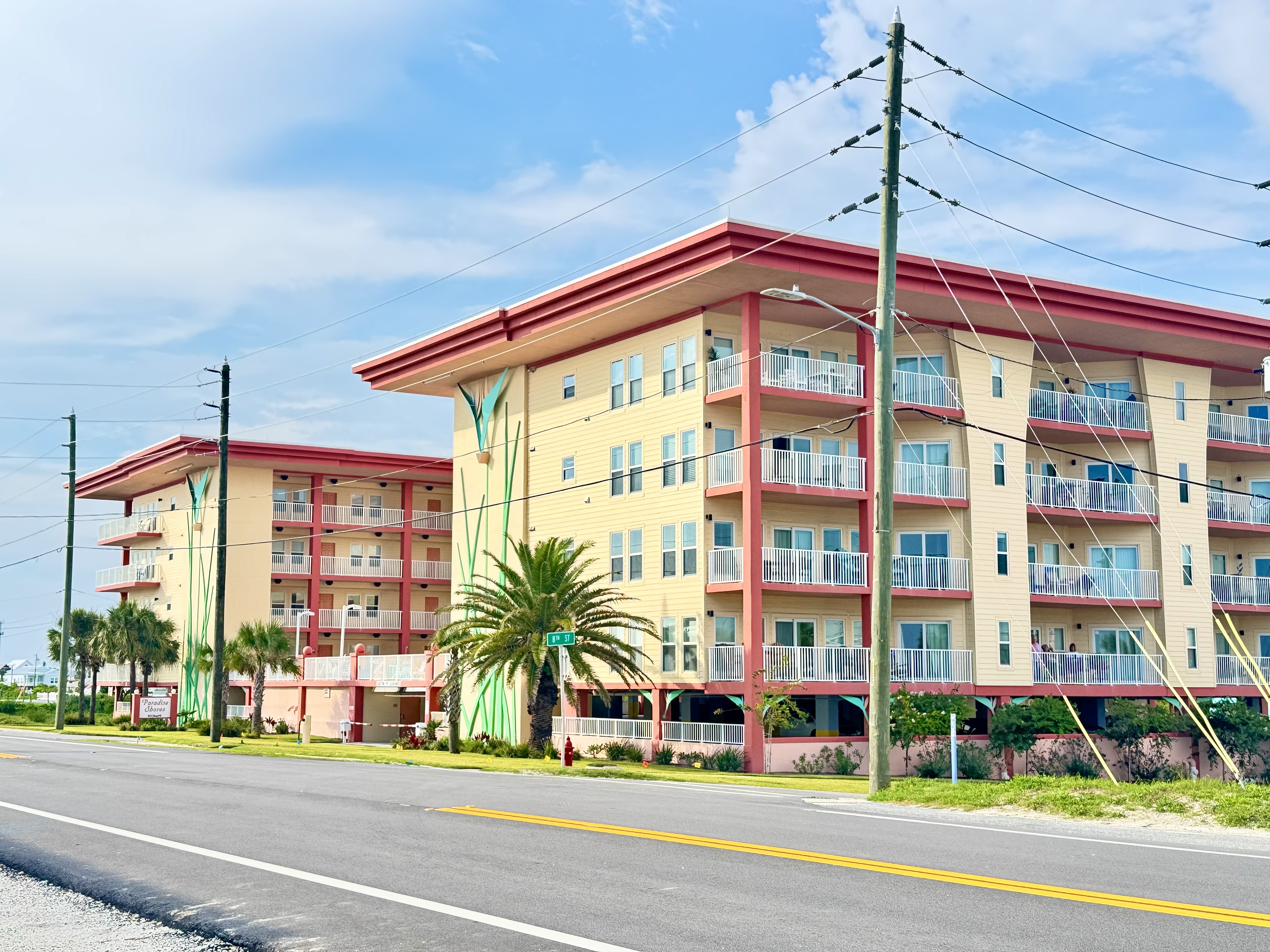
Do Florida's condo milestone inspection and reserve rules apply to the condo I want to buy on the Forgotten Coast?
Only if the building is three habitable stories or taller. Florida's milestone inspection law and the Structural Integrity Reserve Study requirement both key off that three-story threshold, and plenty of the low-rise condo and townhome buildings on this coast sit below it. For buildings that do qualify, the milestone inspection is due by December 31 of the year the building turns 30, and the reserve study gives you a written, dollar-by-dollar picture of what the building needs. Both are genuinely good news for a buyer, because they turn what used to be guesswork into documents you can read before you ever write an offer.
By Billy Joe Smiley | September 8, 2026
Condo buyers have been asking me about this all year, and I understand why. The headlines out of South Florida about assessments and reserve studies have been loud, and if you are looking at a place in Mexico Beach or on St. George Island, it is fair to wonder whether the same thing is about to land in your lap.
Here is what I tell people, and it is the honest read: these rules were written to give buyers information, and that is exactly what they do. Once you know which buildings the rules cover and which documents to ask for, a condo purchase on this coast gets clearer, not scarier. Let me walk you through it the way I would if we were sitting at my desk with a listing pulled up.
First Question: Is the Building Even Covered?
Florida Statute 553.899 sets the milestone inspection requirement, and it applies to condominium and cooperative buildings that are three habitable stories or more in height. The statute goes on to say plainly that it does not apply to a single-family, two-family, three-family, or four-family dwelling with three or fewer habitable stories above ground. The Structural Integrity Reserve Study requirement uses the same three-story trigger.
That single line matters more on this coast than it does in Miami. A lot of what we call condos here are two-story buildings, duplex-style units, and small townhome clusters. Those sit outside both requirements. When a building does clear three habitable stories, here is the timing:
| Requirement | Who It Covers and When |
|---|---|
| Milestone inspection | Condo and co-op buildings three habitable stories or taller, by December 31 of the year the building reaches 30 years of age based on its certificate of occupancy date, then every 10 years. The local building official may set that at 25 years where conditions such as proximity to salt water warrant it. |
| Structural Integrity Reserve Study (SIRS) | Same three-story threshold. The initial study deadline ran through December 31, 2025, with an extension to December 31, 2026 for associations completing it alongside a milestone inspection. Repeats every 10 years. |
| Buildings under three habitable stories | Outside both requirements. Standard reserve practices and the association's own governing documents still apply. |
Notice that the 25-year coastal timeline is discretionary, not automatic. You will still see articles online stating that any building within three miles of a coastline is on a 25-year clock. That was an earlier version of the law. Today the statute gives the local enforcement agency the option, which means the real answer for a specific building comes from the county or city building official, not from a blog post. I make that call for my buyers.
What a Milestone Inspection Actually Produces
A milestone inspection is a structural inspection performed by a Florida licensed engineer or architect. Phase one is a visual examination of the building's major structural components and a qualitative assessment of their condition. If the engineer finds no signs of substantial structural deterioration, the inspection is done. Phase two only happens if phase one turns something up, and it goes deeper, sometimes with testing, to define the extent of the problem and recommend repairs.
Here is the part buyers love once they hear it. Within 45 days of receiving the report, the association has to send every unit owner a copy of the inspector's summary, post it in a conspicuous spot on the property, and publish the full report on the association website if the association is required to have one. That means the findings are not buried. They are distributed by law, and as a prospective buyer you can ask for them.
A completed phase one report with no substantial deterioration is one of the more reassuring documents you can read before buying into a building. It is a licensed engineer putting a seal on the structure.
The Reserve Study, and Why Condo Budgets Changed
The Structural Integrity Reserve Study is the money side of the same idea. It inspects the building's major components and then builds a funding plan for them. The components it has to cover are the roof, the load-bearing walls and other primary structural members, the floor, the foundation, fire protection, plumbing, electrical, waterproofing and exterior painting, windows and exterior doors, and any other item with a deferred maintenance or replacement cost above $25,000.
That $25,000 threshold was raised from $10,000 by House Bill 913, which took effect July 1, 2025, and it now adjusts for inflation each year. The same bill gave boards real flexibility on how they fund reserves, including pooling reserve funds across multiple components instead of maintaining a separate account for each one, and using a loan, a line of credit, or a special assessment with the proper approvals.
What did not change is the core requirement: starting with budgets adopted for 2025, associations have to fully fund the structural components identified in the SIRS, and owners cannot vote to waive or reduce that funding. In practical terms, a building that has been through this process is a building that is now paying for its own maintenance on a schedule. Monthly dues in a fully funded association are often higher than they were three years ago, and that is the point. You are trading a lower monthly number for a much lower chance of a surprise bill.
When I compare two similar units for a buyer, I would rather hand you the one with higher dues and a funded reserve plan than the one with cheap dues and no study on file. That first building has told you what it costs to own. The second one has not told you yet.
The Due Diligence List I Run on Every Condo Purchase
Your contract's condominium rider gives you a defined window to review the association documents and to cancel if what you read does not work for you. That window is your friend, and I use every day of it. Here is the list I work through:
- Confirm the building's habitable story count and certificate of occupancy date with the county or city building official. This one answer determines whether the milestone and SIRS rules apply at all.
- Request the milestone inspection report and the SIRS if the building qualifies, along with the association's response to any findings.
- Order the estoppel certificate. Under Florida Statute 718.116, a condominium association has 10 business days to deliver it, and it is good for 30 days. It confirms the current balance, any outstanding assessments, and any violations tied to the unit.
- Read the last 12 months of board and member meeting minutes. This is where a coming assessment shows up first, usually as a discussion long before it becomes a line item. If I only got to read one document, it would be this one.
- Pull the current budget, the reserve balances, and the last two years of financials so you can see the funding trend rather than a single snapshot.
- Get your insurance quotes during this same period. Your association's master policy covers the building, and your unit owner policy covers the interior and your contents. Because the split between the two varies by association, I have buyers get a live quote from an agent who has read the declaration, not a rough estimate. I cover the coastal side of this in more depth in my piece on wind insurance on a Forgotten Coast beach home.
- Check the rental rules against your plans if you intend to rent the unit. Rental policies vary from building to building, the same way they vary across our subdivisions, which I broke down in HOA fees and rental rules in Ovation, WindMark Beach, and Secluded Dunes.
One more thing worth saying out loud: the current market gives you room to do this properly. With inventory where it is across Port St. Joe, Cape San Blas, and the Mexico Beach corridor, buyers are not being rushed into waiving review periods the way they were a few years back. I laid out what that room to negotiate looks like in Is Now a Good Time to Buy on Florida's Forgotten Coast?
Frequently Asked Questions
Do Florida's condo milestone inspection rules apply to every condo building?
No. Florida Statute 553.899 applies to condominium and cooperative buildings that are three habitable stories or more in height. The statute specifically does not apply to single-family, two-family, three-family, or four-family dwellings with three or fewer habitable stories above ground. A good number of the smaller condo and townhome buildings along this coast fall below that three-story line, which puts them outside the requirement entirely. Confirming the building's habitable story count and certificate of occupancy date is a quick, early step in a condo purchase.
When is a Florida condo building's first milestone inspection due?
By December 31 of the year the building turns 30 years old, measured from the date the certificate of occupancy was issued, and every 10 years after that. The local enforcement agency has the option to move that to 25 years where local conditions such as proximity to salt water justify it, so the answer for any given building comes from the county or city building official rather than a statewide assumption.
What is a Structural Integrity Reserve Study, and why does it matter to a buyer?
A Structural Integrity Reserve Study, or SIRS, is a study that inspects a building's major structural components and sets a funding plan for them. It covers the roof, load-bearing walls and primary structure, floors, foundation, fire protection, plumbing, electrical, waterproofing and exterior painting, windows and exterior doors, and any other item with a deferred maintenance or replacement cost above $25,000. It matters to a buyer because it shows you, in writing and in dollars, what the building needs and whether the association is already funding it.
Can condo owners still vote to waive reserve funding in Florida?
Not for the structural items identified in the SIRS. Beginning with budgets adopted for 2025, associations must fully fund those components and owners cannot vote to waive or reduce that funding. House Bill 913, effective July 1, 2025, did add flexibility in how boards get there, including pooling reserves across components and using a loan, a line of credit, or a special assessment with the proper approvals.
How do I find out if a condo I want to buy has a special assessment coming?
Request the estoppel certificate, the current budget and financials, the SIRS and milestone inspection reports if the building is subject to them, and the last 12 months of board meeting minutes. The minutes are where a future assessment usually shows up first, often months before it becomes official. Your condominium rider gives you a defined window to review these documents and to cancel if what you find does not work for you.
Condos on this coast are still one of the easier ways to own a place near the water, and the rules that came in after 2022 have made them more transparent than they have ever been. If you are looking at a specific building and want to know whether it falls under these requirements, what its documents say, and what your real monthly number looks like, call or text me. I will pull the records and give you a straight read before you commit to anything.
Billy Joe Smiley is one of Florida's most accomplished real estate professionals, with over 27 years of experience and more than 1,000 properties sold. As a top 1% REALTOR® based at Port Realty Group, Billy Joe serves the Forgotten Coast with unmatched insight, professionalism, and care. He works with buyers and sellers across Port St. Joe, Cape San Blas, Mexico Beach, and St. George Island, specializing in luxury and waterfront homes, investment properties and 1031 exchanges, beachfront and bayfront land, vacation homes and income-producing real estate, and real estate development and architectural planning. A Gulf County native, Billy Joe pairs deep local knowledge with decades of experience in brokerage, land development, custom home building, and architectural consulting. Recognized as The Forgotten Coast's Most Trusted Realtor, Billy Joe has earned 90+ public reviews across Zillow, Google, and Realtor.com.
Enjoy this blog post? Click here to subscribe for updates
Leave A Comment