
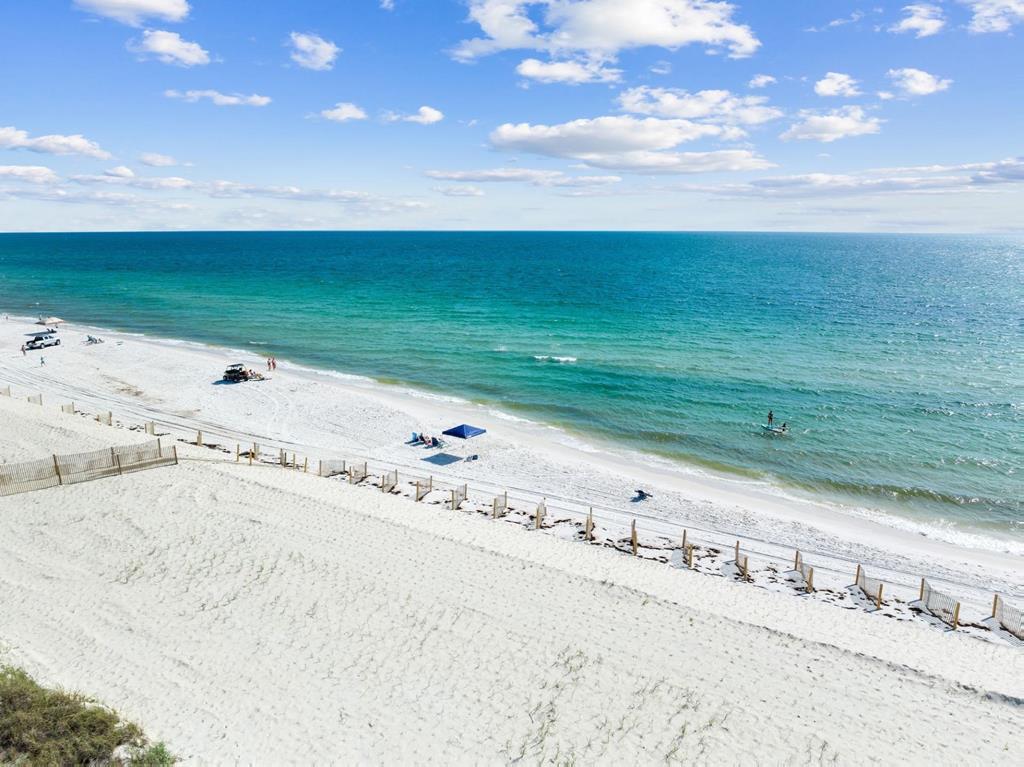
How do you finance a second home on Florida's Forgotten Coast?
A second home on this coast is more within reach than most buyers expect. For a place you'll use yourself, you can start with as little as 10 percent down, and 30-year fixed rates have eased back into the high 6 percent range as of mid-June 2026, just a touch above a primary residence. Larger homes above the 2026 conforming limit of $832,750 in Gulf County open the jumbo path, and if you'd like to rent the place when you're not there, the investment-property route is a flexible option too. Rates move daily, so the best first step is a quick, live quote on your own scenario. Let's get you started.
By Billy Joe Smiley
Most of the buyers I work with on this coast aren't buying a first home. They're buying a second one. A place on the water they'll use a few weeks or a few months a year, maybe rent when they're not here, and hand down someday. The good news is that the financing has more paths than people expect, and once you see how each one works, the whole thing gets a lot simpler.
Down payment: you can start at 10 percent
On a conventional second-home loan, you can get in with a minimum of 10 percent down. That's the entry point for a home you'll occupy part of the year and not rent out full-time. In Gulf County, the 2026 conforming loan limit for a one-unit home is $832,750. Borrow above it and you step into a jumbo loan, which typically requires 20 percent or more down, plus cash reserves.
| Purchase price | Loan type | Typical down payment |
|---|---|---|
| $650,000 | Conforming (under $832,750) | 10% to 20% ($65K to $130K) |
| $900,000 | Jumbo (over $832,750) | 20%+ ($180K and up) |
| $1,500,000 | Jumbo | 20% to 30% ($300K to $450K) |
Here's how that plays out across the price points I see most on Cape San Blas, Port St. Joe, and the rest of the Forgotten Coast. If your goal is to get in with the least cash possible, I cover low-down options for primary homes in my guide on whether you can buy a home on Cape San Blas with no down payment, though those programs are built for primary homes rather than a second or rental.
Rates: they've eased back into the high 6 percent range
As of June 16, 2026, a 30-year fixed on a primary residence sits around 6.5 percent. A second-home loan runs a little higher, typically a quarter to a half point above primary, putting it in the high 6 percent range. Bankrate had the second-home 30-year near 6.66 percent on that date, which is a workable number for plenty of the buyers I talk with. Rates move every day, so the smartest move is a live quote from a lender who understands coastal property.
Second home or income-producing rental: you have options
If you want second-home financing, you generally keep the property available for your own use and occupy it part of the year. That's the loan with the 10 percent entry point and the better rate.
If you'd like the home to earn its keep as a vacation rental, the investment-property path is a great option:
- 15 to 25 percent down, with rental income helping offset the carrying cost.
- A rate set for income property, which many buyers happily absorb because the home is paying for itself.
- Or a DSCR loan, underwritten on the property's projected rental income instead of your personal income.
If you're leaning toward a property mainly for income, my breakdown of whether buying a home on Indian Pass is a smart investment walks through how the rental math works on this coast.
Reserves, DTI, and insurance: plan for these early
Two pieces tend to be new to second-home buyers. First: cash reserves. Lenders like to see a few months of mortgage payments in the bank after closing, on top of your down payment and closing costs. Second: how your debt-to-income ratio gets calculated. Your lender adds the new home's full carrying cost, including taxes and insurance, to your monthly obligations.
On the Forgotten Coast, insurance is a real line item. Wind, flood, and homeowners are three separate policies on a beach home, and the total can run into the thousands a year. That's why I encourage buyers to pull a real insurance quote early. Start with my guide on wind insurance on a Forgotten Coast beach home and my post on property taxes on a vacation home. Buyers who line up their lender, insurance quote, and tax estimate ahead of time write the strongest offers in today's Forgotten Coast buyer's market.
Frequently Asked Questions
How much do I need to put down on a second home on the Forgotten Coast?
Good news: you can start at just 10 percent down on a conventional second-home loan. Once the loan goes above the 2026 conforming limit of $832,750 in Gulf County, you're on the jumbo path, where lenders typically look for 20 percent or more down plus cash reserves.
What is a jumbo loan, and when does it kick in here?
A jumbo loan is simply a mortgage above the conforming loan limit, which for a one-unit home in Gulf County is $832,750 in 2026. Many beautiful Forgotten Coast homes in the $900,000 and up range use this route, and it's a smooth process with the right lender.
Are second-home mortgage rates higher than primary home rates?
Just a little, usually by a quarter to a half a percentage point. As of June 16, 2026, a primary 30-year fixed sits around 6.5 percent, and a second-home loan runs in the high 6 percent range. Rates change daily and a good lender can often beat the average, so the number that really counts is the live quote for your specific scenario.
Can I rent out my second home to help cover the payment?
Absolutely, and you have options. Renting occasionally when you're not using the home is common and usually allowed. If you'd like the place to earn most of the year, the investment-property path is a great fit, typically with 15 to 25 percent down and the rental income helping carry it, or a DSCR loan underwritten on that income.
Does coastal insurance affect whether I qualify for the loan?
It's a factor worth planning for. Your lender folds taxes and insurance into your monthly housing cost when calculating your debt-to-income ratio, and on a beach home wind, flood, and homeowners coverage can run into the thousands a year. Pulling a real insurance quote early gives you a clear read on your borrowing power.
Where this leaves you
Financing a second home on this coast comes down to a few friendly moving parts: as little as 10 percent down, a rate in the high 6 percent range, a clear jumbo path above $832,750, and a flexible choice between personal use and renting. From Mexico Beach to St. George Island to St. Joe Beach, that's the playbook, and it works.
When you're ready, give me a call or shoot me a text. I'll help you figure out which loan fits your plan, connect you with lenders who understand coastal financing, and run the real carrying costs so you know your numbers before you make a move. This is general information rather than personalized financial advice, and your final loan terms come down to you and your lender, but I'll make sure you walk in knowing exactly the right questions to ask. After 27 years on this coast, that's the part my buyers tell me saves them the most headaches, and the most money.
About Billy Joe Smiley
Billy Joe Smiley is one of Florida's most accomplished real estate professionals, with over 27 years of experience and more than 1,000 properties sold. As a top 1% REALTOR® based at Port Realty Group, Billy Joe serves the Forgotten Coast with unmatched insight, professionalism, and care. He works with buyers and sellers across Port St. Joe, Cape San Blas, Mexico Beach, and St. George Island, specializing in luxury and waterfront homes, investment properties and 1031 exchanges, beachfront and bayfront land, vacation homes and income-producing real estate, and real estate development and architectural planning. A Gulf County native, Billy Joe pairs deep local knowledge with decades of experience in brokerage, land development, custom home building, and architectural consulting. Recognized as The Forgotten Coast's Most Trusted Realtor, Billy Joe has earned 90+ public reviews across Zillow, Google, and Realtor.com.
Enjoy this blog post? Click here to subscribe for updates
Leave A Comment